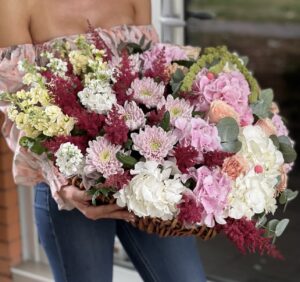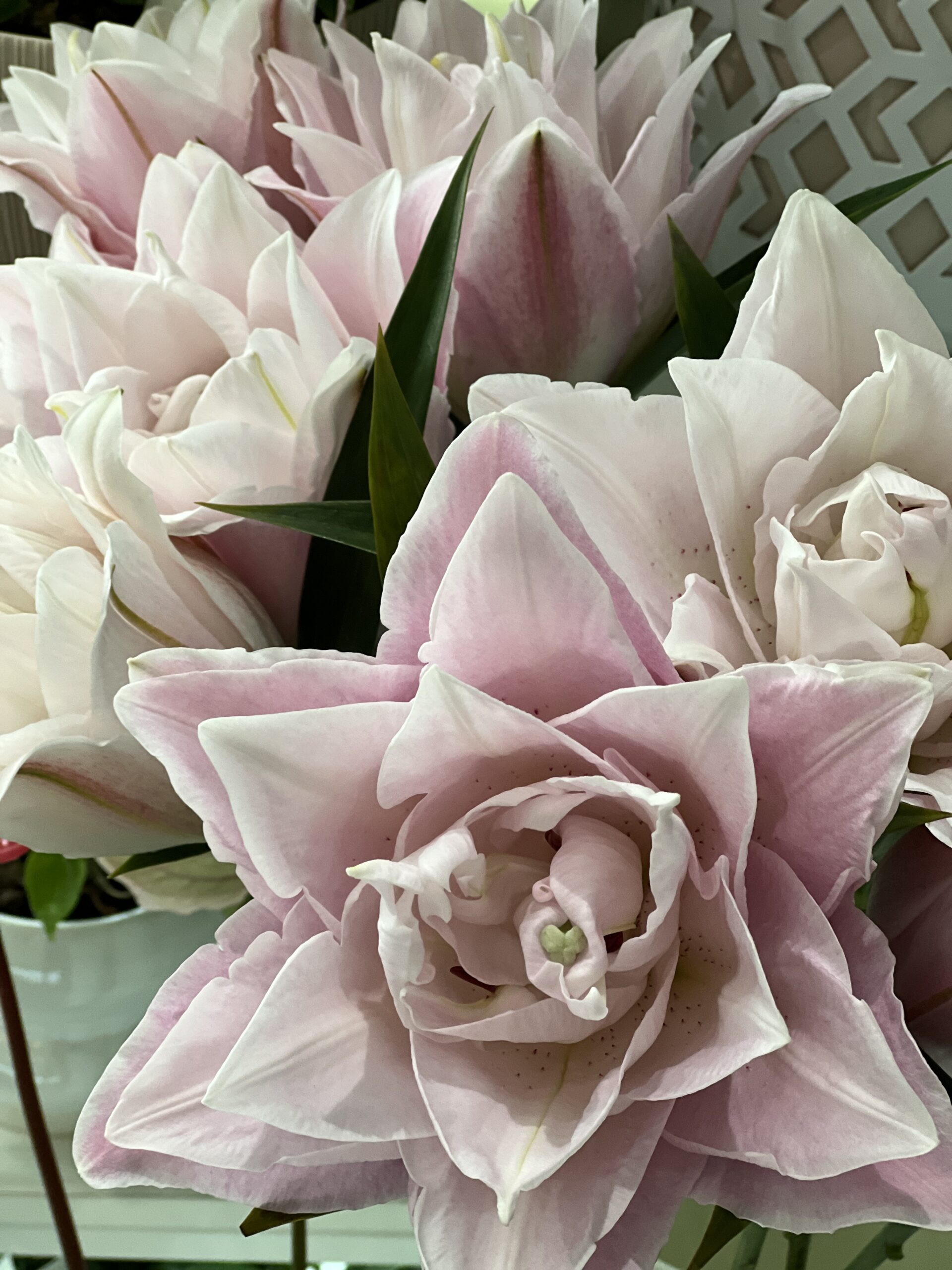
The lily is one of the most recognizable flowers in the world of floristry. Its striking appearance, lavish blooms, and elegant form make it a choice for arrangements meant to leave a strong impression.
What many don’t know is that the lily doesn’t actually bloom right after purchase. The flower you see in a bouquet is often still in the bud stage, and its true opening comes only after a few days. That’s exactly why a bouquet with lilies isn’t the same on the first day as on the fifth — it gradually changes and takes on a completely different look.
Another interesting fact is that with lilies, the whole plant isn’t discarded once the flowers wilt. The bulb can lie dormant through winter and bloom again the following season, which is why the lily is often associated with renewal and new beginnings.
In floristry it’s especially valued for its structure. Large blooms give height and volume to an arrangement, so even a few stems can create a lavish effect. Because of its form, the lily is often used in luxury bouquets, wedding decorations, and elegant business arrangements.
There’s a wide range of lily varieties and colors, from classic whites to intense pinks, yellows, and oranges. White lilies are most commonly chosen for formal occasions for their clean, elegant look, while other colors give arrangements warmth and a more pronounced character.
It’s also interesting that the scent of lilies isn’t the same across all varieties. Some have a very intense fragrance that fills an entire room, while certain modern varieties are nearly scentless — making them a suitable choice for people who don’t care for strong scents.
It’s precisely this combination of appearance, longevity, and variety that makes the lily one of florists’ favorite flowers.
Why has the scent of lily been carried in perfume bottles for centuries?
The lily isn’t special only for its appearance. Its delicate, distinctive fragrance note has inspired perfumers around the world for centuries.
In the world of perfume, the scent of lily is associated with elegance, purity, and sophistication. Perfumers often describe it as a fresh, delicate, and lavish scent that gives a space a sense of luxury.
Interestingly, the true scent of lily isn’t obtained by simply pressing the flower, as with some other plants. Because of the complexity of its fragrance, perfumers create special compositions that convey what the lily represents — the freshness of the flower, the softness of its petals, and its characteristic elegance.
That’s exactly why the lily note is often found in luxury perfumes and home fragrance collections. Its scent isn’t heavy or overpowering, but instead leaves an impression of neatness, freshness, and refinement.
Perhaps that’s exactly why the lily has been present for centuries in special occasions — from formal decorations to perfumes that become someone’s signature scent.